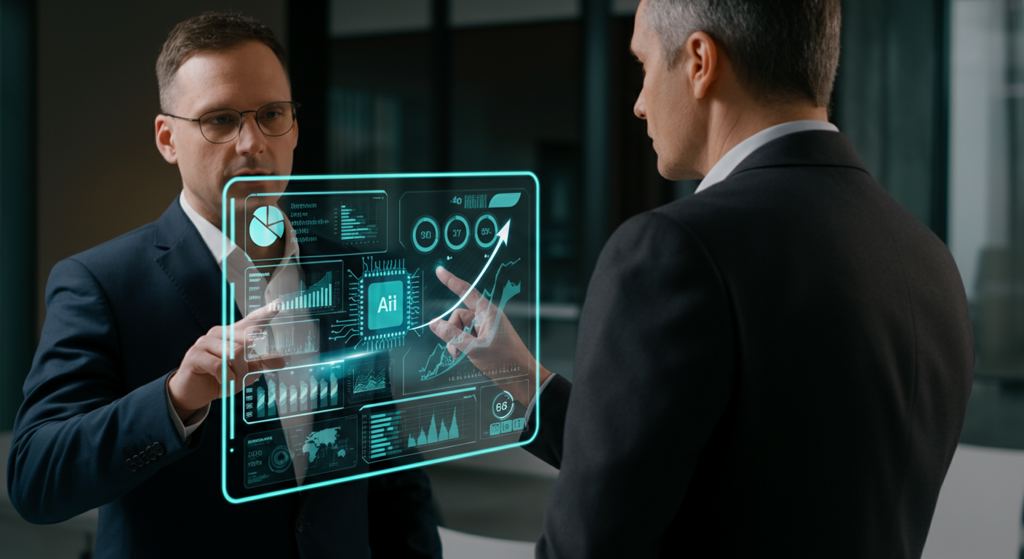
For IT managers and operations directors, understanding the strategic importance of AI workflow automation is critical for maintaining competitiveness in Germany by 2026. This technical guide outlines key preparation steps and future trends for enterprise optimization with AI, including n8n. Discover how to conduct a workflow audit, mitigate AI implementation risks, and position your business for sustained growth and efficiency. Embracing AI readiness now ensures your German enterprise remains at the forefront of innovation and operational excellence.
How do German enterprises define AI automation competitiveness for 2026?
Understanding Why AI Automation is a Must-Have for German Businesses by 2026
Hey there, IT managers and operations directors in German enterprises! Let's be real: embracing AI workflow automation isn't just a nice-to-have anymore. It's actually a game-changer, a crucial way to stay competitive and relevant as we head towards 2026. The world around us is moving fast, demanding super-efficient operations and smart, data-backed decisions. This means we all need to take a fresh look at how our businesses run. So, let's talk about why getting ready for AI now is absolutely vital for growth and staying ahead in the German market.
Think about it: intelligent automation is set to totally shake up how we do business, from making supply chains super smooth to revolutionizing customer service. Companies that don't get on board with advanced AI workflow tools might just find themselves falling behind. Why? Because competitors will be using these tools to cut costs big time and innovate much, much faster. It's not just about automating a few tasks; it's about completely changing how your business works and creates value.

By 2026, these automation trends won't be new; they'll be firmly established. This means getting in early gives you a real leg up. Businesses that proactively build strong AI strategies will be in a much better spot to attract the best talent, innovate quicker, and keep a strong foothold in the market. What does "proactive" mean here? It means looking at your current setup and figuring out exactly where AI can make the biggest difference.
Why is AI workflow automation so crucial for German businesses right now?
Well, AI workflow automation is a big deal because it's a direct route to making things run smoother, cutting costs, and making smarter decisions. All of these are super important if you want to stay competitive in today's fast-changing global market. German companies, known for their precision, really stand to gain from these advances.
How can businesses figure out if they're ready for AI by 2026?
To check your AI readiness, you'll want to look at your current IT setup, how you handle data, what skills your team has, and even your company culture. A good, thorough review should help you pinpoint any tech gaps or training needs so you can really get AI solutions up and running smoothly by 2026.
Why is AI workflow automation crucial for German enterprise optimization?
Let's Talk About Your Workflows: Getting Ready for AI
Before you even think about specific tech tools, there's one super important step for successful AI workflow automation: a really good look at your current workflows. This means drawing out every step of your existing processes, finding those annoying bottlenecks, and figuring out just how much time and effort those manual tasks are actually eating up. Once you understand these inefficiencies, you'll have a clear roadmap showing exactly where AI can give your German enterprise the biggest boost.
This deep dive should cover all your departments - from finance and HR to production and customer service. Documenting every single step, every decision point, and every piece of data as it moves through your system gives you a complete picture of how your business really operates. Pay extra close attention to tasks that are repetitive, happen a lot, and are prone to human error. Those are usually the perfect candidates for automation!

Tools like n8n can be a huge help here, making it easier to visualize these workflows and spot places where AI can fit right in. This step makes sure your AI implementation steps are perfectly aligned with what your business actually needs. We don't want to just automate a messy process, do we? If you're looking for an even deeper dive into how specialized AI solutions can totally transform your operations, definitely check out OverStartup GmbH's AI Solutions.
Doing a workflow audit right also helps you set clear, measurable goals for your AI projects. This way, your team can easily track progress and show off the real business value you're creating. This data-driven approach is key to getting everyone on board and making sure your enterprise AI preparation is a long-term success story.
Why is it so important to audit your workflows before jumping into AI?
An audit is super important because it helps you find all those existing inefficiencies and roadblocks. This way, your AI workflow automation efforts go exactly where they'll make the biggest difference and give you the best return on your investment, instead of just automating systems that aren't working well to begin with.
What should you really focus on during an AI workflow audit?
You'll want to map out your current processes, find repetitive tasks, figure out how much time and money they're costing, spot any issues with data flow, and check your current tech stack. This helps you identify the best places to integrate those clever AI workflow tools.
What are the key steps for AI readiness in German enterprises?
Bringing AI to Life: From Small Starts to Big Business Impact
Okay, so you've done your workflow audit - awesome! What's next? It's all about strategically bringing AI adoption to life, moving from those first small pilot projects to a full enterprise-wide deployment. The best way to do this is with a phased rollout, starting with areas where you can make a big impact without taking huge risks. This helps build confidence and shows off the value quickly. All those lessons you learn from these early projects? They're absolutely priceless for fine-tuning your strategy and successfully scaling AI across your entire German enterprise.
Picking the right AI technologies is a huge piece of the puzzle. For many businesses, platforms like n8n offer a super flexible and powerful base for building custom AI workflow automation. It's fantastic at connecting different systems and automating complicated sequences, making it a perfect choice for companies aiming for total enterprise optimization. And if you need something truly unique, custom software development can tailor these solutions exactly to your business's needs.

Don't forget about change management - it's absolutely non-negotiable. Your employees need to be educated, trained, and brought along on this journey to make sure new AI-driven workflows are accepted smoothly. It's really important to talk openly about any worries people might have about job changes, focusing on upskilling and new roles. That'll help create a positive atmosphere for everyone.
By rolling out AI solutions thoughtfully and step-by-step, German enterprises can gain so much: huge boosts in efficiency, super accurate data, and much better decision-making. This puts them in a really strong position for future competitiveness by 2026. This smart, strategic rollout minimizes headaches while maximizing all the cool benefits AI brings.
What's key to successfully scaling AI adoption?
The secret sauce includes starting with pilot projects that make a big splash, picking flexible platforms like n8n that play well with others, making sure you've got solid change management with employee training, and always checking your ROI to tweak your strategic AI adoption process.
How does n8n help with rolling out AI across the whole company?
n8n is a fantastic tool for enterprise-wide AI deployment because it's so versatile. You can use it to build custom workflows that connect all sorts of systems and apps. This flexibility is vital for automating tricky business processes and really achieving total enterprise optimization across all your departments.
How can n8n automation boost future competitiveness in Germany?
Navigating the Tricky Bits: AI Risks and Doing Things Right
As German enterprises speed up their journey toward AI workflow automation, it's super important to pause and think about the potential AI implementation risks and ethical considerations that come with it. Things like data privacy, algorithmic bias, and security holes aren't just techy problems; they can really hurt your reputation and even land you in hot water with regulators. To avoid these issues, you need a strong plan and a real commitment to using AI responsibly.
Keeping your data private, especially with tough rules like GDPR, is absolutely critical. Businesses must use strong encryption, control who can access what, and be totally transparent about how they handle data across all AI systems. Plus, those algorithms? You've got to check them regularly for any bias. We want fair and equal results, right? No accidental discrimination! Taking this proactive approach is a clear sign you're serious about defining your AI competitiveness responsibly.

Security is another huge one. AI systems, just like any other software, can be targets for cyberattacks. So, you absolutely need robust cybersecurity measures in place, like regular penetration testing and checking for vulnerabilities. This is essential to protect your sensitive data and keep everything running smoothly. Here at OverStartup GmbH, we always put secure and ethical AI development at the forefront of all our solutions.
By openly acknowledging and systematically tackling these challenges, German enterprises can build real trust with their customers and employees. This ensures that your AI readiness actually leads to sustainable and ethical growth by 2026. This comprehensive approach to managing risks is truly fundamental for long-term success.
What are the main AI risks for German businesses?
The big ones are data privacy breaches (especially with GDPR), algorithmic bias that could lead to unfair outcomes, and cybersecurity weaknesses that might put sensitive data and operations at risk.
How can businesses make sure their AI adoption is ethical?
To keep things ethical, businesses should set up strong data governance, regularly check algorithms for bias, be super transparent about data handling, put strong cybersecurity in place, and encourage a company culture that values responsible AI development and use.
What advanced challenges face German enterprises in AI automation?
Getting Your German Business Ready for Lasting AI Success and Super Efficiency
To really lock in sustained growth and efficiency by 2026, German enterprises need to do more than just dabble in AI workflow automation. They've got to weave it right into the fabric of their core operations. This isn't just about putting new tech in place; it's about building a culture that's always looking for fresh, innovative ways to use AI. The real goal isn't just automating tasks; it's about truly transforming your business for total enterprise optimization.
Investing in continuous learning and helping your team grow new skills is absolutely crucial here. As AI takes over the boring, repetitive stuff, your employees can shift to more strategic, creative, and analytical roles. This evolution of your workforce is key to getting the most out of AI and making sure human smarts work perfectly with artificial intelligence. And hey, if you're also thinking about boosting your online presence alongside your AI efforts, our SEO & Online Marketing services might be just what you need.

What else? You'll want to set up really solid data pipelines and powerful analytics. This ensures your AI systems have access to high-quality, relevant data, which means better predictions and smarter decisions. This foundational data strategy is a must-have for any business aiming for top-notch AI competitiveness.
By focusing on these key strategic areas, German enterprises - even those in Durach - can not only become super efficient but also discover exciting new business models and ways to make money. This will truly cement their leadership in the global market for years to come. That proactive attitude is what real future competitiveness is all about!
How can German businesses make sure their AI growth lasts?
For lasting AI-driven growth, it's all about continuously investing in your team's skills, fostering a culture of innovation, building strong data pipelines for excellent input, and seeing AI implementation as an ongoing strategy, not just a one-off task.
Why is continuous learning so important for AI efficiency?
Continuous learning and upskilling help your employees move into more strategic roles, letting their human smarts complement what AI can do. This keeps your workforce flexible and creative, which is absolutely vital for getting the most efficiency out of AI workflow automation.
Recent Posts




Mia Fisher
Scale Your Content Marketing with AI
This article was expertly crafted by Mia Fisher, one of our advanced AI content agents. Start generating smarter content today.
You Might Also Like
Discover more about these topics and stay updated with our latest releases.